
Hybrid SAN Storage & Hybrid Flash Storage: Architecture, Benefits, and Best Practices
Published: April 19, 2023
By: Warren Nicholson, Gene Everette

Hybrid SAN Storage can provide a cost-effective and performance-optimized storage solution for organizations that require a balance of capacity and performance. Hybrid SAN Storage consists of:
- Quality Solid State Drives
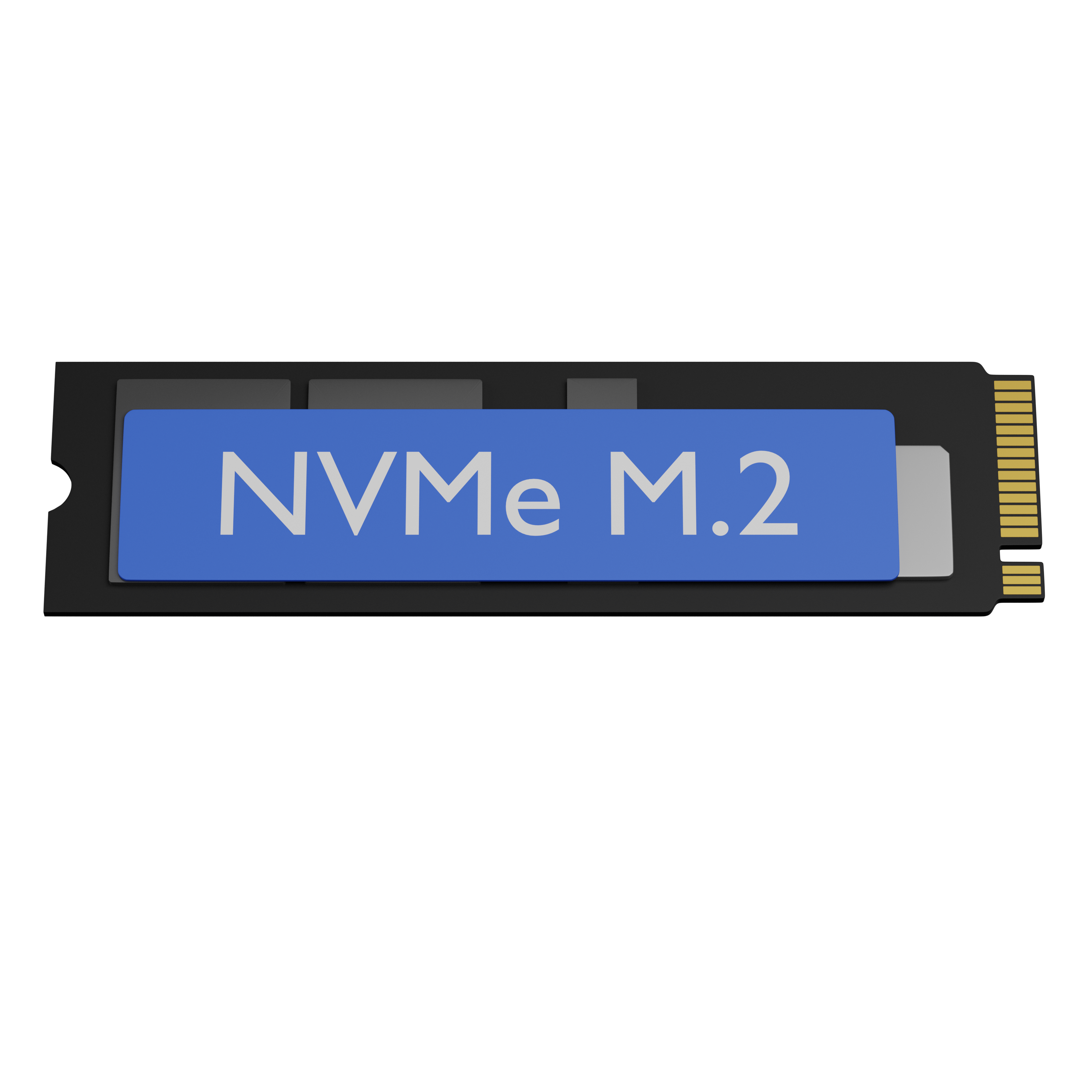
- NVMe Drives
- Hard Disk Drives with extended warranties
- Management Software for load balancing
As businesses look to save money but not sacrifice performance, Hybrid SAN Storage solutions have become an increasingly popular option.
Hybrid SAN Storage is a storage solution that combines the benefits of traditional SAN (Storage Area Network), modern flash-based storage technologies, and economical spinner hard drives (HDD). It provides high performance, scalability, and flexibility for modern IT environments.
However, implementing a hybrid SAN can be complex and requires careful planning to ensure optimal performance and efficiency. In this section, we will discuss some best practices for implementing a hybrid SAN for your hybrid flash storage array.
What Is Hybrid SAN Storage?
Hybrid SAN Storage typically includes a mix of different storage media, such as traditional spinning disks, solid-state drives (SSDs), and/or NVMe drives, as well as the necessary components, such as controllers and management software. The system uses algorithms, tier management, caching, and data management, to automatically store active and frequently accessed data on flash drives that can deliver top performance and efficiency while storing less active data on the more affordable HDDs.
The hybrid SAN architecture consists of two tiers – the primary tier comprising of flash-based SSDs, which are used for storing frequently accessed data, and the secondary tier consisting of HDDs that store less frequently accessed data. This intelligent architecture ensures that frequently used data is readily available for quick access while less critical data is stored at a lower cost.


What Is Hybrid Flash Storage?
So, how exactly does hybrid flash storage differ from hybrid SAN storage?
1. Performance: The primary difference between hybrid flash and SAN storage lies in their underlying architecture. Hybrid flash primarily utilizes SSDs as its primary tier for storing frequently accessed data, while HDDs act as secondary or bulk storage. This results in faster read/write speeds compared to traditional HDD-only systems, making it ideal for tasks that require high-performance such as database management or virtualization.
On the other hand, hybrid SAN combines both block-level and file-level access protocols to optimize performance based on specific workloads. While this also offers improved performance compared to traditional SAN setups, it may not be as fast as pure-flash arrays.
2. Cost: Cost is another significant differentiator between these two solutions. Hybrid flash relies on expensive SSD technology; therefore, it’s considered a more premium option than traditional HDD-only systems or even hybrid SAN setups. However, with advancements in technology and economies of scale, the cost of SSDs has reduced significantly over recent years.
In comparison, while still relatively costly compared to regular HDDs alone, setting up a hybrid SAN typically requires less investment than deploying an all-flash array.
3. Data Management: Another key difference between these two architectures is how they handle data management processes like backups and snapshots. With its faster speeds and higher reliability, hybrid flash is better suited for handling these tasks compared to traditional HDDs or hybrid SAN setups.
Furthermore, the integration of SSDs into the storage tier allows for more efficient data movement and management between different tiers, resulting in improved performance and less downtime.
While both hybrid flash and SAN storage offer significant benefits over traditional storage solutions, they have distinct differences that make them suitable for different use cases. Hybrid flash is ideal for organizations that require high-performance storage with fast read/write speeds, while hybrid SAN may be a better fit for those looking for a cost-effective solution with more flexible data management capabilities. Ultimately, the choice between these two architectures will depend on an organization’s specific needs and budget.
Hybrid Flash Storage Array Architecture
Tiering: Tiering is a data management technique used in hybrid flash storage arrays that automatically moves data between different tiers based on its performance requirements. The higher-performance SSDs are typically placed in the top tier while slower HDDs are placed in the lower tier. This allows for more frequently accessed data to be stored on SSDs, while less frequently accessed or colder data can reside on HDDs. This not only optimizes performance but also helps reduce costs since SSDs are more expensive than HDDs.
Cache: In addition to tiering, hybrid flash storage arrays use caching as another means of improving performance. Caching involves temporarily storing frequently accessed data in a high-speed buffer before writing it to permanent storage on either an SSD or HDD. This reduces the number of times that slower HDDs need to be accessed for read operations, resulting in faster overall system performance.
NVMe: Non-volatile memory express (NVMe) is a communication protocol designed specifically for SSDs that enables them to achieve much higher transfer speeds compared to traditional protocols like SATA or SAS. By leveraging NVMe technology within a hybrid flash storage array architecture, organizations can further boost overall system performance and accelerate application response times.
The combination of these three components – tiering, cache, and NVMe – creates an efficient and scalable architecture that can handle both high-performance and high-capacity workloads. Moreover, by utilizing a hybrid flash storage array, organizations can achieve the best of both worlds – fast data access at a lower cost.
Hybrid SAN vs All-Flash: When Each Makes Sense
So when should you choose one over the other? Here are some scenarios where each type makes sense:
1. Workloads with High Performance Demands:
If your organization deals with large amounts of data that require fast processing speeds, such as databases or virtual desktop infrastructure (VDI), an all-flash solution may be the way to go. With its lightning-fast read/write capabilities, all-flash storage can significantly improve application performance and reduce latency.
2. Cost-Sensitive Environments:
For businesses that have budget constraints but still need decent performance levels, a hybrid SAN can offer the perfect balance between speed and affordability. By utilizing lower-cost HDDs for less critical data and reserving expensive SSD space for more important workloads, organizations can save on overall costs without sacrificing too much in terms of performance.
3. Data-intensive Applications:
Hybrid SANs excel in environments where there is a mix of hot (frequently accessed) and cold (infrequently accessed) data. By automatically tiering data based on usage patterns, hybrid SAN systems ensure that frequently used data is stored on faster SSDs while less-used data is stored on lower-cost HDDs. This results in improved overall performance and efficient use of storage resources.
4. Specific Workloads:
Certain workloads, such as batch processing or backups, may not require high-performance storage. In these cases, a hybrid SAN can be a better option to save costs without compromising on speed for critical applications.
Sizing & Design Checklist
1. IOPS (Input/Output Operations Per Second)
IOPS is a measure of how many input/output operations can be performed in one second. This metric is crucial when it comes to determining the performance of any storage system. For hybrid SAN or flash storage, it is important to consider both read and write IOPS separately as they can have different characteristics depending on the workload. When calculating the required IOPS for your storage system, you should take into account not only current workloads but also potential future growth.
2. Latency
Latency refers to the time it takes for an operation to be completed after a request has been made. It is another critical factor in measuring the performance of a storage system. A low latency ensures quick response times which are especially important for high-performance applications such as databases or virtual desktops. When designing a hybrid SAN or flash storage system, latency should be kept at minimal levels to achieve optimal performance.
3. Working Set
The working set is the amount of actively used data by applications at any given time. It plays an essential role in determining how much data needs to be stored in high-performance tiers such as flash drives or solid-state drives (SSDs). By analyzing the working set size of your applications, you can determine which data needs fast access and should be stored on high-performance tiers while less frequently used data can reside on lower-cost tiers.
4.Tier Ratios
A hybrid SAN or flash storage architecture typically consists of multiple tiers with varying levels of performance and cost. These tiers can include flash drives, SAS/SATA drives, and even cloud storage. It is essential to determine the proper ratio of these tiers based on workload requirements and cost considerations. For instance, high-performance applications may require a larger proportion of flash or SSD storage while less demanding workloads can be stored on lower-cost tiers.
Why Choose Hybrid SAN Storage?
As data volumes continue to double, storing everything on an all flash storage array is prohibitively expensive and unnecessary since a great deal of a company’s data would be perfectly fine residing on more affordable but less responsive archive media.
Hybrid SAN Storage provides a compromise for storing critical data on high-performance flash storage solutions drives while other data resides on less expensive tiered storage. Hybrid SAN Storage enables companies to manage data in a unified storage system while balancing performance and cost.
1. Enhanced Performance: One of the key reasons why organizations are turning towards Hybrid SAN is its ability to provide superior performance compared to traditional HDD-based systems. This is achieved by using SSDs which have significantly faster read/write speeds than HDDs. As data access patterns change, frequently used data can be stored on SSDs for quick retrieval while less active data can be moved to HDDs.
2. Cost Savings: Another major advantage of implementing Hybrid SAN is cost savings. Traditional all-Flash storage arrays may offer better performance, but they come at a higher price point compared to hybrid solutions that use a combination of HDDs and SSDs. By utilizing more affordable HDDs along with few high-performance SSD drives, organizations can save significant costs without compromising on performance.
One of the most common misconceptions about hybrid SAN storage is that it is too expensive for small or medium-sized businesses. While it’s true that all-flash storage arrays can be costly, hybrid SAN offers a more affordable solution by combining both flash and traditional spinning hard drives. This allows businesses to have the best of both worlds without breaking the bank.
3. Scalability: With data volumes increasing at an exponential rate, scalability has become crucial for any business looking for long-term storage solutions. Unlike flash arrays which need complete replacement when capacity needs increase, hybrid SAN uses hybrid flash storage and allows for easy scalability by adding more drives or expanding existing ones.
A misconception about hybrid SAN storage is that it’s only suitable for large enterprises with massive amounts of data. However, with advancements in technology and decreasing costs, hybrid SAN has become accessible to businesses of all sizes. Small and medium-sized businesses can benefit from the improved performance and flexibility offered by a flash storage solution.
4. Improved Data Management: By combining different types of drives in one system, hybrid SAN offers greater flexibility in managing different types of workloads simultaneously. Administrators can determine which applications require high-performance SSDs and which can make do with HDDs, allowing for efficient data management.
There is also a misconception that managing a hybrid system is complex due to its mix of technologies. However, modern management tools have made managing these systems much simpler than before. Additionally, many vendors offer user-friendly interfaces that make it easy to monitor and manage the system’s performance and data placement.
Key Takeaways from Hybrid SAN Storage
Hybrid SAN storage combines traditional SAN architecture with flash + HDD tiers so you can keep “hot” data on SSD/NVMe and “cold” data on cheaper capacity media.
A hybrid flash storage array is typically the engine behind a hybrid SAN, using tiering and caching to optimize where data lives automatically based on access patterns.
Hybrid is often the best value when you have a mix of workloads and only a portion of data needs peak performance, avoiding the cost of storing everything on all-flash.
Plan for success by sizing around your working set: flash should cover the data your apps touch most, while HDD handles capacity growth and colder datasets.
Hybrid SAN can deliver strong acceleration when paired with modern cache strategies (your page notes NVMe-based write caching and substantial IOPS improvements).
Expect tradeoffs: Hybrid SAN can introduce more complexity and performance variability depending on workload behavior and tier distribution.
Use management tooling to keep operations simple and reduce risk—your page highlights tier monitoring/management and rollback capability via Nfina-View™.
Revolutionize your storage solutions with Nfina’s Hybrid SAN technology. Get a quote today!
All Nfina products, including their cutting-edge Hybrid SAN Storage solutions, come with an impressive five-year warranty that underscores the company’s commitment to quality and reliability. This assurance is further bolstered by a range of support tier options that extend up to 24/7-365 availability, catering to businesses that operate around the clock and require uninterrupted service and assistance.
In addition, even after a product has been discontinued, Nfina ensures peace of mind with five years of dedicated support, an invaluable resource for organizations reliant on seamless data management and storage systems. Each server undergoes final assembly in Mobile, Alabama, utilizing skilled American workers who take pride in crafting robust technology designed for optimal performance. The combination of local craftsmanship and comprehensive customer care establishes Nfina as a trusted partner in the ever-evolving landscape of data storage solutions.
Nfina Hybrid SAN FAQ
- Is hybrid SAN storage the same thing as hybrid flash storage?
While both hybrid SAN storage and hybrid flash storage utilize a combination of solid-state drives (SSDs) and hard disk drives (HDDs), there are some key differences. Hybrid SAN storage incorporates a traditional storage area network (SAN) architecture, allowing for centralized storage management and improved performance. On the other hand, hybrid flash storage utilizes a unified system with both block and file-level access, making it more versatile for different types of data.
2. How does hybrid flash storage improve performance?
By using intelligent data tiering technology, frequently accessed data is stored on faster flash drives while less frequently used data is stored on the larger traditional disks. This results in faster access times for critical data, ultimately improving overall system performance.
- When should I choose hybrid SAN storage instead of all-flash storage?
Unlike all-flash storage, which can be expensive and limited in capacity, Nfina’s hybrid SAN storage combines the performance benefits of flash with the affordability and scalability of traditional hard drives. This means that you can have faster access to critical data without breaking the bank or compromising storage space.
- When is all-flash a better fit than hybrid flash storage?
If your organization deals with large amounts of mission-critical data that needs to be accessed quickly and reliably, all-flash storage can offer faster performance and improved data protection compared to hybrid options. Additionally, workloads that require consistent low latency and high IOPS (input/output operations per second) are best suited for all-flash storage.
- What workloads are best for hybrid SAN storage?
Nfina’s Hybrid SAN storage is designed to handle a wide range of workloads, making it a versatile solution for any company’s data storage needs. It excels in managing large amounts of data and providing high performance for applications such as database hosting, virtualization, and cloud computing. It also offers excellent reliability and scalability for businesses with growing storage demands. Whether you need to store multimedia files, run complex applications, or manage critical business data
- How much flash (SSD/NVMe) do I need in a hybrid flash storage array?
The amount of flash needed in a hybrid storage array depends on your specific IT needs and workload. However, with Nfina’s Hybrid San Storage, you can customize the amount of SSD or NVMe to suit your performance requirements. Our experienced team can work with you to determine the ideal ratio of flash to traditional hard drives for optimal performance and cost-effectiveness. Plus, our hybrid architecture ensures that your data remains highly available and protected while still delivering lightning-fast performance.
- What’s the difference between caching and tiering in hybrid storage?
Caching and tiering are both methods used in hybrid storage to improve performance and efficiency. However, they differ in the way they handle data. Caching is like a temporary storage area where frequently accessed data is stored for quick retrieval. It helps reduce latency and improve overall system performance. On the other hand, tiering involves moving data between different tiers or levels of storage based on its importance or usage. This allows for more efficient use of resources as less critical data can be stored on lower cost storage while frequently accessed data can be stored on faster, more expensive storage.
- Can hybrid SAN storage use iSCSI or Fibre Channel?
Nfina’s Hybrid SAN Storage is designed to be versatile and support multiple connectivity options, including iSCSI and Fibre Channel. This allows for seamless integration into various IT environments, giving you the flexibility to choose the best option for your specific needs. Our product is constantly evolving and adapting to meet the ever-changing demands of the IT world, ensuring that your data storage remains secure and efficient. So, whether you prefer iSCSI or Fibre Channel, Nfina’s Hybrid SAN Storage has you covered with top-notch performance and reliability.
- Is hybrid SAN storage good for small and mid-sized businesses?
Nfina’s Hybrid SAN Storage is the perfect solution for small and mid-sized businesses. Our SAN storage system combines the best of both worlds, the speed and performance of flash storage, and the cost-effectiveness of traditional hard drive storage. This makes it an ideal choice for businesses that need high-performance storage without breaking the bank. Plus, with our user-friendly interface NFINA View, and easy scalability options, you can easily customize and grow your storage as your business needs to evolve. Trust in Nfina’s Hybrid SAN Storage to meet all your IT storage needs.
- What should I look for when evaluating a hybrid flash SAN?
First and foremost, you want to look for a system that offers both speed and capacity, as well as the ability to handle both mixed workloads and high-demand applications. You also want to ensure that the SAN has built-in data protection features such as snapshots, replication, and encryption. Additionally, it’s important to consider the scalability of the SAN – will it be able to grow with your organization’s needs?
Other factors to take into account include cost, ease of use and management, and customer support from the provider. With Nfina’s Hybrid San Storage, you can confidently check off all these boxes. Our solution offers lightning-fast performance with up to 1 million IOPS (Input/Output Operations Per Second) and up to 16PB (Petabytes) of storage capacity. It is designed specifically for mixed workloads, making it versatile for any IT environment.
- Does hybrid flash storage help with backup and disaster recovery?
Yes, Nfina’s Hybrid San Storage provides reliable and efficient backup and disaster recovery solutions. With a combination of solid-state drives and traditional hard drives, our hybrid storage system allows for quick backups and fast recovery times in the event of a disaster.
Our advanced data protection features, such as snapshots and replication, ensure that your data is always safe and easily recoverable. Say goodbye to long backup windows and slow recovery times with Nfina’s Hybrid San Storage.
- How long does it take to see benefits from hybrid tiering?
With Nfina’s Hybrid San Storage, the benefits of tiering can be seen almost immediately. Our intelligent and adaptive tiering technology constantly monitors and optimizes data placement, allowing for faster access to frequently used data and more efficient storage of less frequently used data. This means that your IT team can see improved performance and cost savings in a matter of days instead of weeks or months

At Nfina, our Eco-Friendly Solutions make it easy for our customers to achieve a lower carbon footprint and play a positive role in bringing about a sustainable future. We design technologies and products to help people understand their impact and actions better.
Nfina’s Hybrid Cloud and Hyperconverged solutions provide energy efficiency by using high-density, lower-power VMs enabling our customers to scale their digital transformations sustainably by optimizing space, reducing power consumption, and lowering cooling and maintenance costs. Nfina is taking a leadership role in doing what it takes to tackle climate change.
Nfina has been carbon neutral for our operations since opening in 2012.

View PDF